
So I was thinking about browser wallets for Solana—Phantom kept popping up. My first impression was: sleek, fast, and annoyingly simple. Whoa! Initially I thought it was just polished design, but then I dug into its extension behavior, transaction signing flow, and how it handles dApps, and that changed the story. Here’s what I learned the messy way, and what you should care about.
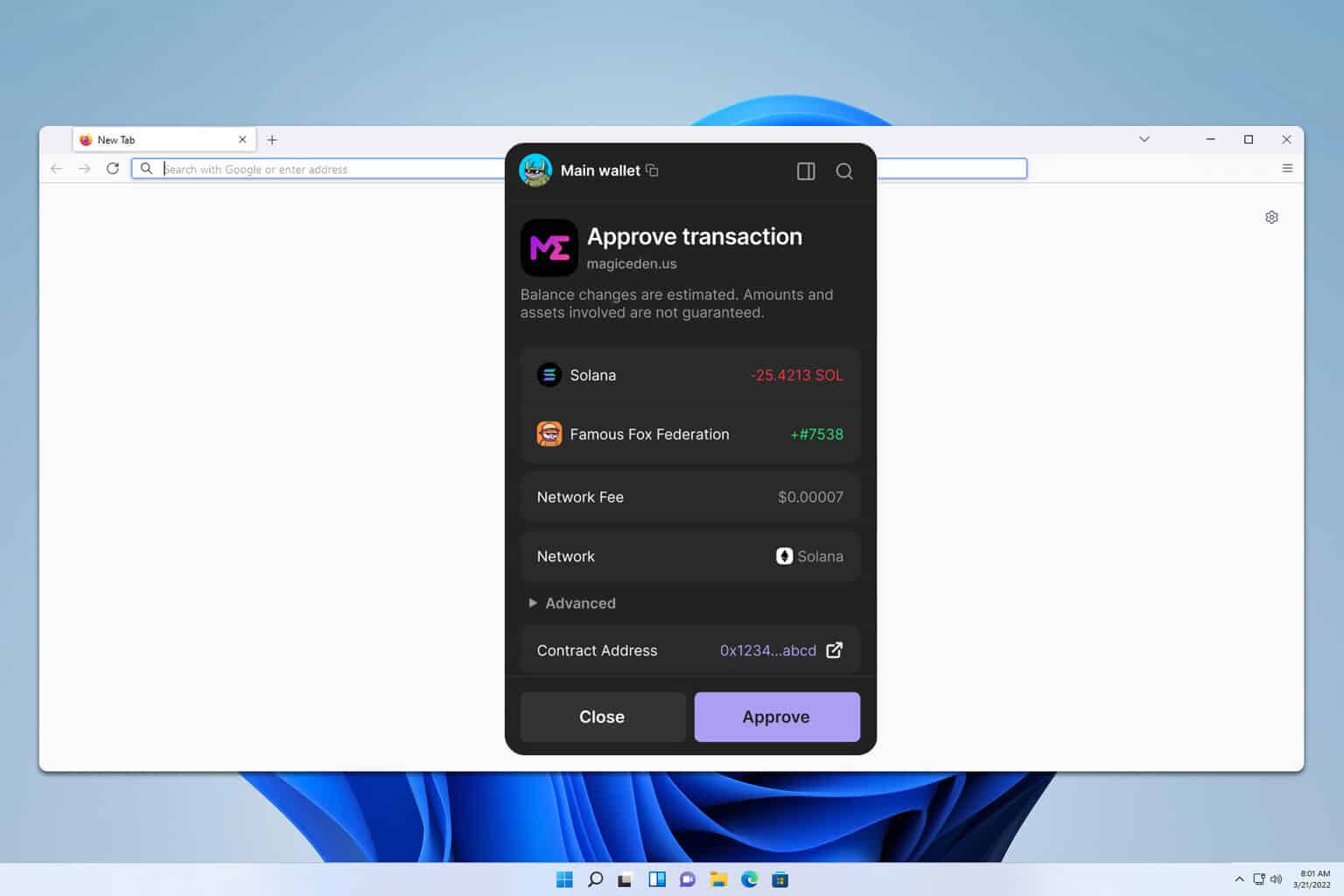
Phantom is a browser extension wallet built for Solana. It stores your keys locally, lets you sign transactions, swap tokens, and connect to DeFi apps with a click. The UX is smooth, which is nice when you’re used to clunky wallets. Seriously? That smoothness, however, can hide crucial decisions you make every time you click “Approve”, and if you’re not paying attention your seed phrase or private key could be exposed by a malicious site or an infected machine, so treat convenience like a double-edged sword.
My instinct said keep things minimal: one extension, one seed, one hardware backup. But then I started testing features like token swaps, Ledger integration, and custom RPCs. Hmm… On one hand the built-in swap feels convenient and often cheaper than some on-chain routes, though actually the liquidity and slippage math can be tricky and sometimes the displayed rates don’t account for deeper pool mechanics or upcoming fees. I also liked that Ledger support exists, because hardware combos reduce risk a lot.
Setup is straightforward, but that doesn’t mean it’s risk-free. You get a seed phrase, write it down, and store it somewhere offline. Whoa! If you import a seed from another wallet, or use a seeded browser profile, you must assume cross-contamination is possible, especially if you ever enabled automatic syncing or installed shady extensions alongside Phantom. So think about the machine you install on; work laptop and public Wi-Fi are poor matches.
Phantom has useful features: token price previews, NFTs viewing, and a clean activity feed. The NFT gallery makes browsing your collectibles pleasant, though be aware that some listings will trigger metadata loads from external sources which can be privacy-leaky or slow depending on the collection and host. I got tripped up once by an NFT metadata host that was offline. Really? That delay made a transfer look stuck even though it wasn’t.
Install, Safety, and a Quick Download Note
Okay, so check this out—if you decide to install, do it carefully. You can get the official browser add-on by visiting the phantom wallet download extension, and I usually prefer downloading from verified channels instead of random redirects. Double-check the extension’s publisher name, read the permissions, and if something smells phishy—sudden pop-ups, unexpected permission requests—close the tab and uninstall immediately, because it’s often easier to prevent a problem than to recover from one. I’m biased, but using a dedicated browser profile for crypto activity feels like a small habit that pays dividends.
When using DeFi apps via the extension you should always verify the contract address, check permissions, and limit approvals to specific amounts or single-use where possible, because over-permissive approvals are a common exploit vector that scammers love. Yikes. Also, use custom RPCs selectively; default endpoints are usually fine but if you’re bouncing between networks high latency can create weird UI states. And if you rely on Phantom’s swap aggregator, cross-check rates on Serum or other DEX tools. Security-wise the extension isolates keys in browser storage and uses WebCrypto APIs, but browsers aren’t secure enclaves, so a dedicated air-gapped hardware wallet is still the best safety net if you’re holding significant funds.
Pro tip: pair Phantom with a hardware wallet for large holdings. Ledger connection is a bit clunky sometimes, especially when Chrome updates change the USB permissions, but it works. Okay, so check this out— I once had a session where an update broke the Ledger path and I had to toggle USB settings, reauthorize the device, and then re-login to multiple dApps, which felt tedious but beat losing funds so, trade-offs. Backups matter; keep multiple paper copies in different safe places. Somethin’ about having two different safes and one at a trusted friend’s place makes me sleep better.
For day-to-day use: keep browser extensions to a minimum, update Phantom when it prompts you, and clear any old or unused extensions. Wow! If you see a prompt asking for full account access that you didn’t expect, pause. Very very important: don’t paste your seed phrase into a web form, and never share it. Treat signing requests like money going out, because they are—no different than handing someone cash at the door.
FAQ
How do I recover my wallet if I lose access?
Write down your seed phrase and keep it offline. If it’s gone you’re probably out of luck unless you have backups. Yikes.
Is Phantom safe for DeFi?
For small amounts it’s fine. For larger positions, use Ledger or a multisig. Be careful with approvals.